

October 1
Launch of the Ford Model T - This Day in History
On October 1, 1908, Ford introduced the Model T, a revolutionary car that brought automobiles to the masses and transformed global transportation.
Read moreEvery date on the calendar carries a piece of the American story — battles won, documents signed, inventions unveiled, and lives that changed the course of a nation. Stop by each day for the moments that made this date matter.
Pick a month to walk through its anniversaries, day by day.
On October 1, 1908, Ford introduced the Model T, a revolutionary car that brought automobiles to the masses and transformed global transportation.
Read more
On October 2, 1835, settlers in Gonzales, Texas, fired the first shots of the Texas Revolution, defying Mexican troops with the bold cry: “Come and Take It.”
Read more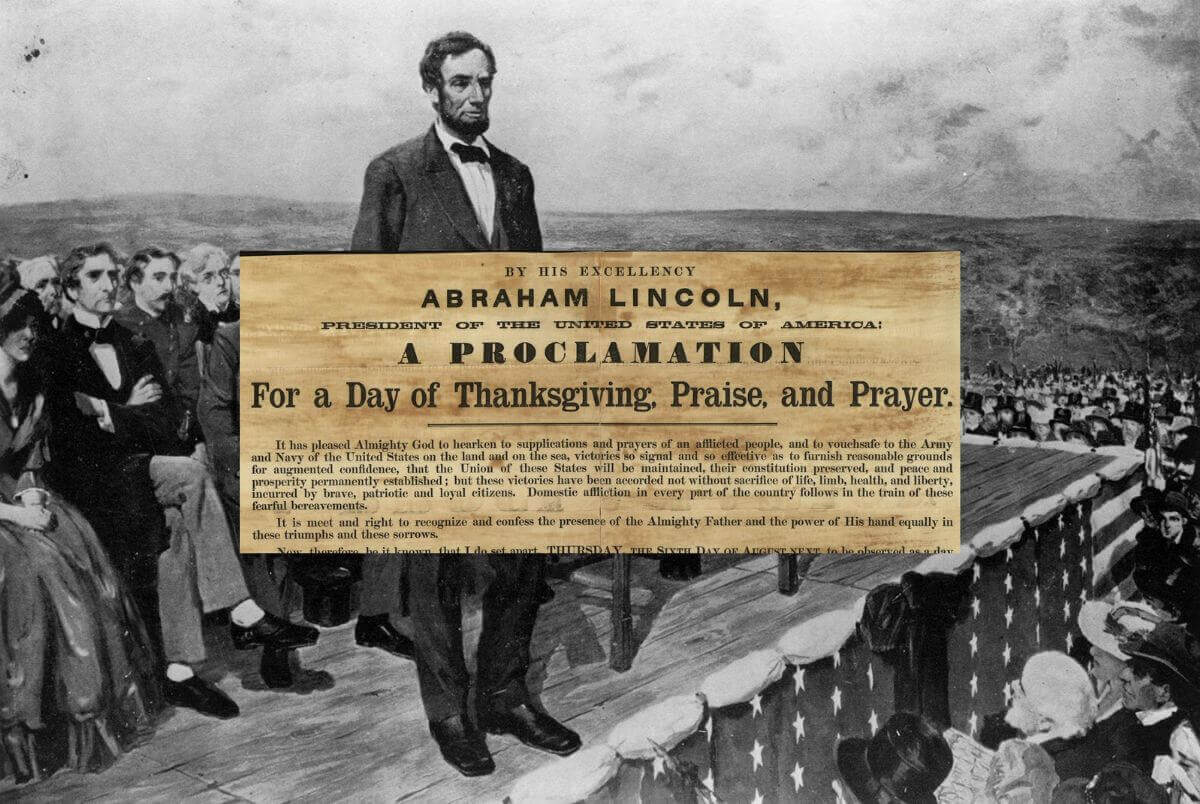
On October 3, 1863, Abraham Lincoln issued a Thanksgiving proclamation that established the national holiday during the depths of the Civil War.
Read more
On October 6, 1884, the U.S. Navy founded the Naval War College, a transformative institution dedicated to strategic thinking, diplomacy, and military leadership.
Read more
On October 7, 2001, the U.S. launched Operation Enduring Freedom, initiating the War on Terror with a military campaign against the Taliban and al-Qaeda.
Read more
On October 8, 1871, the Peshtigo Fire became the deadliest wildfire in U.S. history—consuming over 280,000 acres and killing more than 1,100 people.
Read more
On October 9, 1855, Isaac Singer patented key sewing machine improvements, revolutionizing home and industrial textile production forever.
Read more
On October 10, 1845, the U.S. founded the Naval School in Annapolis—now the U.S. Naval Academy—to train generations of naval officers through science and service.
Read more
On October 13, 1792, the cornerstone of the White House was laid, marking the symbolic and literal foundation of America’s executive mansion.
Read more
On October 14, 1964, Martin Luther King Jr. was awarded the Nobel Peace Prize for leading the civil rights movement with nonviolent conviction and moral clarity.
Read more
On October 15, 1966, President Lyndon B. Johnson signed the law creating the U.S. Department of Transportation, unifying America’s transportation policy and oversight.
Read more
On October 16, 1962, President Kennedy was shown aerial photos of Soviet missiles in Cuba, marking the start of the Cuban Missile Crisis and the tense “thirteen days.”
Read more
On October 18, 1867, the U.S. officially acquired Alaska from Russia, transforming what critics called “Seward’s Folly” into a cornerstone of American expansion.
Read moreOn October 20, 1803, the U.S. Senate approved the Louisiana Purchase, doubling the nation's territory and reshaping American history.
Read more
Opened in 1959, the Solomon R. Guggenheim Museum revolutionized art and architecture with Frank Lloyd Wright’s iconic spiral design on Fifth Avenue.
Read moreWikiLeaks’ Iraq War Logs reveal 15,000 unreported civilian deaths, detainee abuse, and raise questions about U.S. military accountability.
Read moreOn October 23, 1973, Nixon agreed to surrender the Watergate tapes, marking a major shift toward transparency and legal accountability.
Read moreOn October 24, 1921, the U.S. selected its first Unknown Soldier from World War I, honoring all unidentified fallen heroes with a place at Arlington.
Read more
On October 27, 1904, New York City opened its subway system, transforming urban life and setting the foundation for one of the world’s greatest transit networks.
Read moreOn October 28, 1886, the Statue of Liberty was dedicated in New York Harbor — a French gift that became a timeless symbol of American freedom and hope.
Read moreBlack Tuesday, October 29, 1929, marked the Wall Street Crash that ended the Roaring Twenties and triggered a chain of events leading to the Great Depression.
Read moreOn October 30, 1888, John J. Loud received the first ballpoint pen patent—paving the way for the modern writing revolution.
Read moreCompleted on October 31, 1941, Mount Rushmore transformed a Black Hills mountain into a powerful symbol of American leadership and legacy.
Read moreThe newest pages in the archive, fresh from the editorial desk.

By fall 1793, about 5,000 people had died in the nation's temporary capital, and President Washington and other federal officials fled the city as deaths hit 100 a day.
Read more
At 17 years and 257 days old in 1945, Brown homered off Preacher Roe in an 11-1 Dodgers loss, setting a record that still stands more than 80 years later.
Read more
On August 19, 1909, Louis Schwitzer won a five-mile race at 57.4 mph, but the crushed-rock track broke apart and killed drivers, mechanics, and spectators.
Read more-768x512.jpg)
When John White reached Roanoke in 1590, all 100 colonists—including his granddaughter Virginia Dare—were gone, with only the word "CROATOAN" carved into a post.
Read more
For 119 years, 17 attempts failed and at least seven balloonists died before three Americans crossed in six days on hot dogs and canned sardines in 1978.
Read more
On August 14, 1935, FDR signed the law creating old-age benefits funded by payroll taxes, born from a Depression that had wiped out the savings of older Americans.
Read more