The First U.S. Election with Secret Ballots - This Day in History
The 1868 presidential election signaled America's recommitment to the Union and civil rights, with Ulysses S. Grant defeating Horatio Seymour in a pivotal post-war vote.
Read moreEvery date on the calendar carries a piece of the American story — battles won, documents signed, inventions unveiled, and lives that changed the course of a nation. Stop by each day for the moments that made this date matter.
Pick a month to walk through its anniversaries, day by day.

The 1868 presidential election signaled America's recommitment to the Union and civil rights, with Ulysses S. Grant defeating Horatio Seymour in a pivotal post-war vote.
Read moreRonald Reagan’s 1980 election reshaped American politics, ending the New Deal era and ushering in a new conservative movement that would redefine national priorities.
Read moreMonopoly's 1935 launch by Parker Brothers turned a homemade game into a global classic, offering Depression-era escapism and reshaping board game history forever.
Read more
The 1789 appointment of Bishop John Carroll marked the birth of the American Catholic hierarchy, beginning in Baltimore and shaping Catholic life in the U.S. for centuries.
Read more
The Museum of Modern Art opened in 1929 amid economic crisis, redefining America’s relationship with modern art and launching a cultural institution with global impact.
Read more
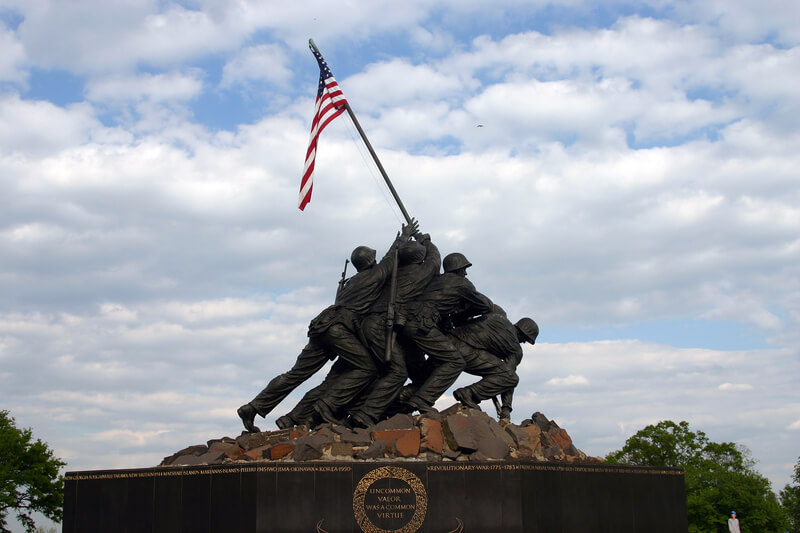
On November 10, 1954, President Eisenhower dedicated the Iwo Jima Memorial to honor all fallen Marines, marking a lasting tribute to valor and sacrifice.
Read more
President Woodrow Wilson proclaimed November 11, 1919, as the first Armistice Day, marking a national moment of remembrance and hope following World War I.
Read moreOn November 12, 1954, Ellis Island closed as America’s primary immigration station, marking the end of a pivotal chapter in U.S. immigration history.
Read moreIn 1833, North Americans witnessed the Great Leonids Meteor Storm—an awe-inspiring celestial event that shaped science and cultural history.
Read moreOn November 14, 1969, Apollo 12 launched amid lightning strikes and went on to complete NASA's second successful Moon landing, refining lunar exploration.
Read more
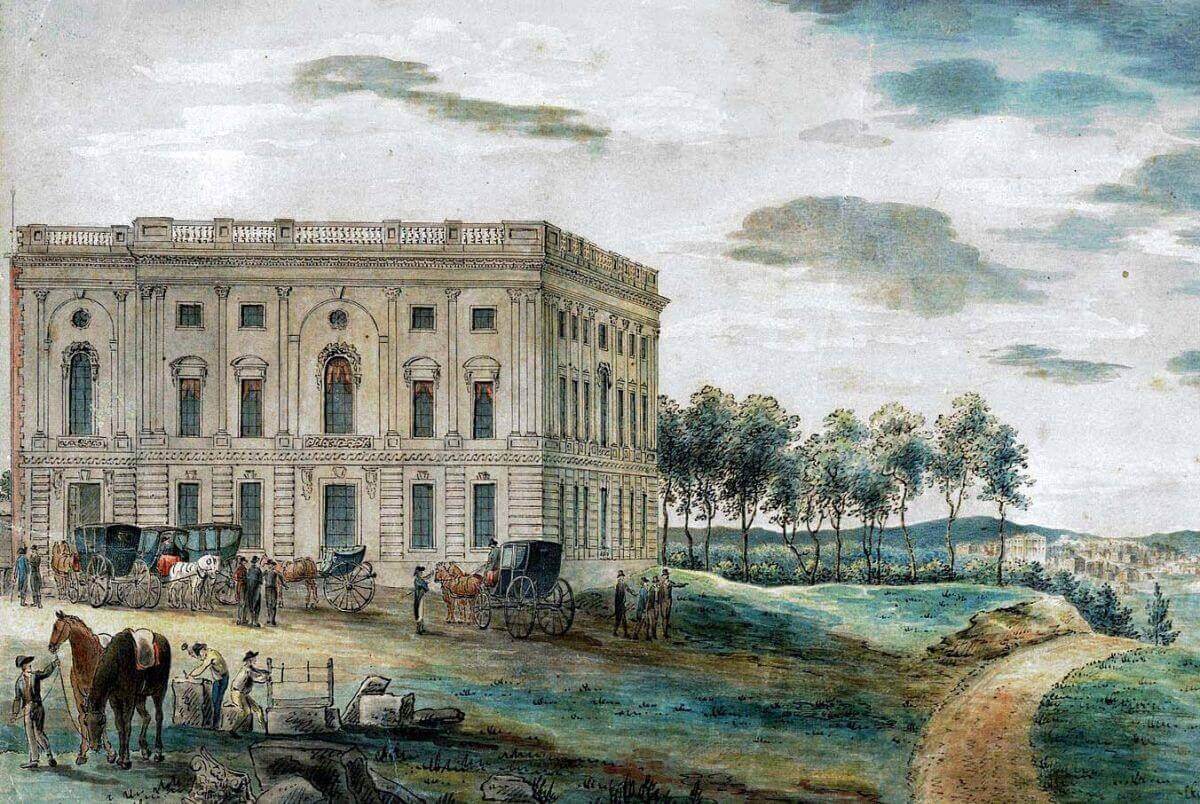
On November 17, 1800, Congress met for the first time in Washington, D.C., marking the beginning of the Capitol as the home of U.S. governance.
Read more
On November 18, 1883, North American railroads adopted four standard time zones, replacing chaotic local times and ushering in a new era of synchronized travel and communication.
Read more
On November 19, 1863, Abraham Lincoln delivered the Gettysburg Address — a brief but powerful speech that redefined the meaning of the Civil War and American democracy.
Read more
On November 20, 1789, New Jersey became the first state to ratify the proposed amendments to the Constitution — the beginning of what would become the U.S. Bill of Rights.
Read more
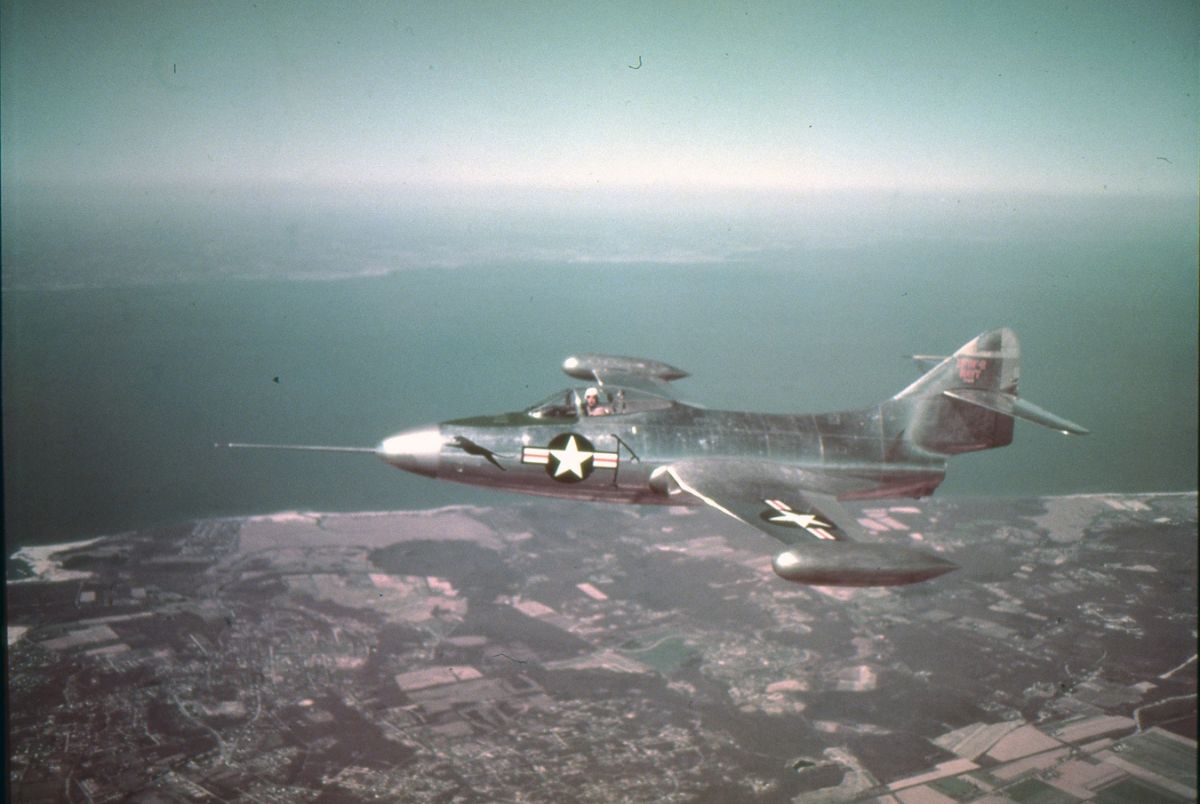
On November 21, 1947, Grumman’s first jet-powered fighter, the XF9F-2 Panther, made its maiden flight — launching a new era in naval aviation and carrier-based jet technology.
Read more
On November 24, 1932, the FBI opened its first crime lab—forever changing forensic science in America with a commitment to evidence-based investigation.
Read more
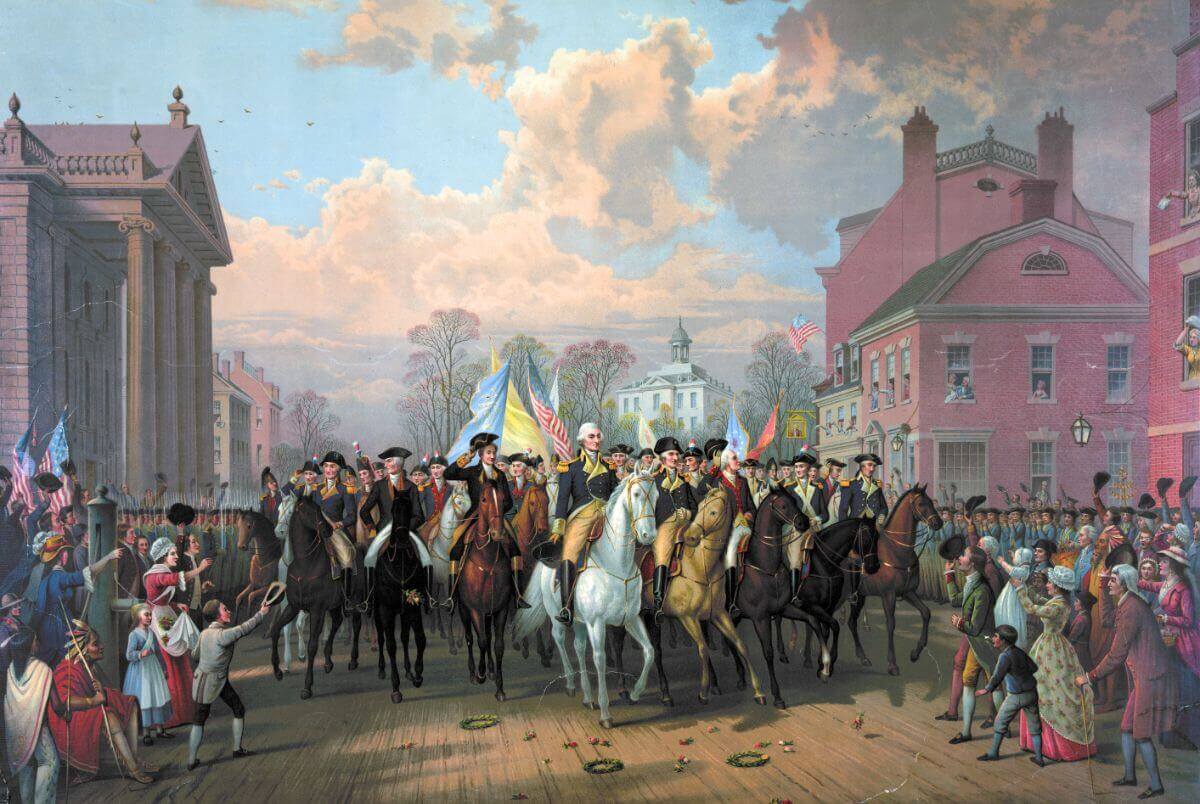
On November 25, 1783, British troops left New York City, marking the symbolic end of the Revolutionary War and America’s emergence as a sovereign nation.
Read more
President George Washington’s 1789 Thanksgiving Proclamation marked the beginning of a national tradition rooted in gratitude, governance, and unity.
Read more
Discover the origins of the Macy’s Thanksgiving Day Parade, from its whimsical 1924 debut with zoo animals and nursery rhyme floats to the beloved holiday tradition it is today.
Read more
The Grand Ole Opry's 1925 debut sparked a cultural revolution, giving Southern music a national stage and shaping the future of country sound.
Read moreThe newest pages in the archive, fresh from the editorial desk.

By fall 1793, about 5,000 people had died in the nation's temporary capital, and President Washington and other federal officials fled the city as deaths hit 100 a day.
Read more
At 17 years and 257 days old in 1945, Brown homered off Preacher Roe in an 11-1 Dodgers loss, setting a record that still stands more than 80 years later.
Read more
On August 19, 1909, Louis Schwitzer won a five-mile race at 57.4 mph, but the crushed-rock track broke apart and killed drivers, mechanics, and spectators.
Read more-768x512.jpg)
When John White reached Roanoke in 1590, all 100 colonists—including his granddaughter Virginia Dare—were gone, with only the word "CROATOAN" carved into a post.
Read more
For 119 years, 17 attempts failed and at least seven balloonists died before three Americans crossed in six days on hot dogs and canned sardines in 1978.
Read more
On August 14, 1935, FDR signed the law creating old-age benefits funded by payroll taxes, born from a Depression that had wiped out the savings of older Americans.
Read more